True animal stories for kids are picture books based on real animals and the real people who cared for them. They work because children can ask the best question of all: “Did this really happen?” Below are six animal story books based on true events, a guide to choosing the right one, and tips for reading them together.
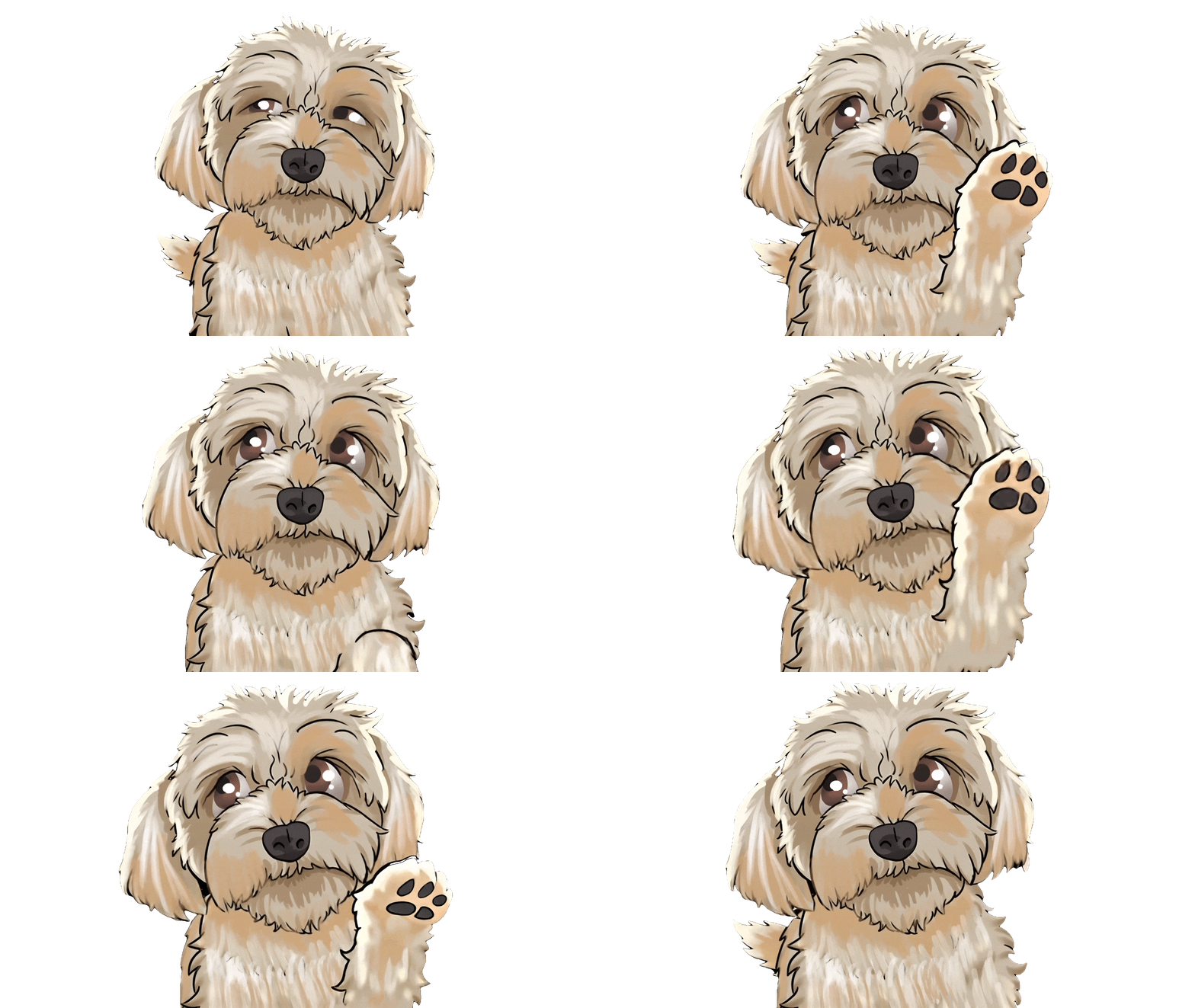
I’m Catherine Martell, a children’s author and dog mom. I write these books because my own story began with one. My puppy, Runty Ralph, was born stillborn on a cold winter night in Arizona and survived, and that real moment became my children’s series.
Why true animal stories matter
Children already love animals. A true story adds something extra: proof that the courage, kindness and friendship in the book can happen in the real world.
True animal stories also give children a way into big ideas at a gentle pace. A tale about a rescued bear cub or a lonely hippo makes loss, hope, and unlikely friendship feel understandable. Parents often find these books open conversations that a lecture never could.
And they make a handy bridge to non-fiction. A child who loves a book about one real animal often wants to know about the whole species, the place where it lived and the person who helped.
6 true animal story books for kids
The list below mixes my own book with well-known titles by other authors. Ages are rough guides, and you know your child best.
1. Runty Ralph: How I Got My Name by Catherine Martell
Runty Ralph: How I Got My Name is Ralph’s true origin story. He was born stillborn on a cold winter night in Arizona, survived, and changed his mom’s life. It’s a story about love, hope and resilience, and about the bond between a dog and the person who loves him. It’s also an Amazon Best Seller in Children’s Latin America Fiction. Read the full backstory in the true story behind Runty Ralph.
2. Finding Winnie: The True Story of the World’s Most Famous Bear by Lindsay Mattick, illustrated by Sophie Blackall
A veterinarian on his way to World War I rescues a bear cub and names her Winnipeg, “Winnie” for short. The bear later became the real-life inspiration for Winnie-the-Pooh. The book won the Caldecott Medal and is a lovely way to show children where a famous story began.
3. Owen & Mzee: The True Story of a Remarkable Friendship by Isabella Hatkoff, Craig Hatkoff and Dr. Paula Kahumbu
A baby hippo orphaned by the 2004 tsunami forms an unlikely bond with a giant tortoise at a wildlife sanctuary in Kenya. It’s a clear, photo-driven story about friendship across differences.
4. Knut: How One Little Polar Bear Captivated the World by Juliana, Isabella and Craig Hatkoff
Knut was a polar bear cub born at the Berlin Zoo in 2006 who was raised by a devoted zookeeper after his mother couldn’t care for him. The story shows how one person’s care can matter to a young animal and to millions of people watching.
5. Hachiko Waits by Lesléa Newman, illustrated by Machiyo Kodaira
Hachiko was a real Akita in Japan who waited at a train station for his owner, year after year. It’s a moving story about loyalty and love. Because it involves a dog’s long wait and a loss, it’s best read together with time to talk afterward.
6. A Boy and a Jaguar by Alan Rabinowitz, illustrated by Catherine Stock
As a child who stuttered, Alan Rabinowitz found it easier to speak to animals than to people. He grew up to become a wildlife scientist who worked to protect jaguars. It’s a true story about finding your voice and about turning a struggle into a strength.
How to choose the right true animal story
With so many animal story books out there, a few questions help narrow the choice.
- Check the tone: Some true animal stories are sunny, and some include sadness. Read the summary and, if needed, the ending before sharing it with a sensitive child.
- Match the theme to what your child needs: Courage for a nervous child, friendship for a lonely one, perseverance for one who gives up easily.
- Think about the format: Photographs suit curious, fact-loving children. Illustrated stories suit dreamers and bedtime.
- Look for an author’s note: Good true-story books explain what’s fact and what’s imagined, and often add photos or a timeline at the back.
- Pick a favorite animal: Interest does half the work. A child who loves dogs will stay with a dog story longer.
How to read true animal stories together
A few small habits make these books richer.
Ask the “is it real?” question first. Say, “This is a true story. What do you think will happen?” Predictions pull children in.
Look up the real animal. Search for a safe photo or two, or look at the end of the book. Seeing the real animal makes the story stick.
Pause for feelings. When a character is scared or sad, stop and ask, “How do you think he feels?”
Talk about what you’d do. “If you were Ralph’s mom that night, what would you want to do?” Children love imagining themselves in the story.
Don’t rush the ending. If the story is hard, let the quiet sit and let your child ask questions.
For more reading-aloud ideas, see how to teach kids resilience and bedtime stories for kids about courage.
Frequently asked questions
What are true animal stories for kids?
They’re picture books and early readers based on real animals and real events, such as a rescued bear cub, an unlikely animal friendship or a loyal dog. They tell the story in a child-friendly way, sometimes with photographs and an author’s note.
What age are true animal stories suitable for?
Many picture books suit children from preschool through the early school years, but it depends on the story. Look for gentle themes for younger children, and save stories with loss for when your child is ready to talk about them.
Are the Runty Ralph books based on a true story?
Yes. Runty Ralph is a real puppy who was born stillborn on a cold winter night in Arizona and survived. The series is inspired by his story. The first book, Runty Ralph: How I Got My Name, tells how it began, and the other books follow Ralph into new adventures with friends like Grace.
Where can I find more animal story books?
Your local library and children’s librarians are the best starting point. You can also browse the Runty Ralph books page for all three titles in the series.