The best way to talk to kids about a hard start in life is to use honest, simple words, move at the child’s pace and point toward hope. A true animal story can make this easier, because a child can think and feel through a difficult beginning at a safe distance before they connect it to their own life. This guide walks through why it works, seven practical steps, and what to say.
I’m Catherine Martell, a children’s author and dog mom, not a therapist or child psychologist. What I can share is the story behind my series: my puppy, Runty Ralph, was born stillborn on a cold winter night in Arizona and survived. That true story became Runty Ralph: How I Got My Name, and I’ve seen how much it opens up for families.
What Counts As A Hard Start In Life?
A hard start can mean many things. Some children began life with a health scare or a long stay in the hospital. Some were adopted or fostered. Some have lived through a move, a loss, a family change or a difficult early year. And some children simply feel that they started out behind, smaller, slower or newer than the others.
The details differ, but the questions children bring are similar: Why was it hard for me? Is something wrong with me? Will I be okay? Parents and teachers often want to answer well, and that’s what the rest of this post is for.
Why A True Animal Story Helps
Children often find it easier to talk about a character than about themselves. Telling a child “Tell me how that felt” can feel like a spotlight. Asking “How do you think the puppy felt?” feels safe.
A true animal story has a few advantages:
- It creates distance: The child can explore big feelings through someone else’s experience.
- It shows hope in real life: Because the story really happened, the good outcome feels solid, not made up.
- It’s gentle on adults too: A book gives you words when you don’t know where to begin.
- Children already trust animals: Dogs, in particular, are easy for kids to love and relate to.
Ralph’s Story As An Example
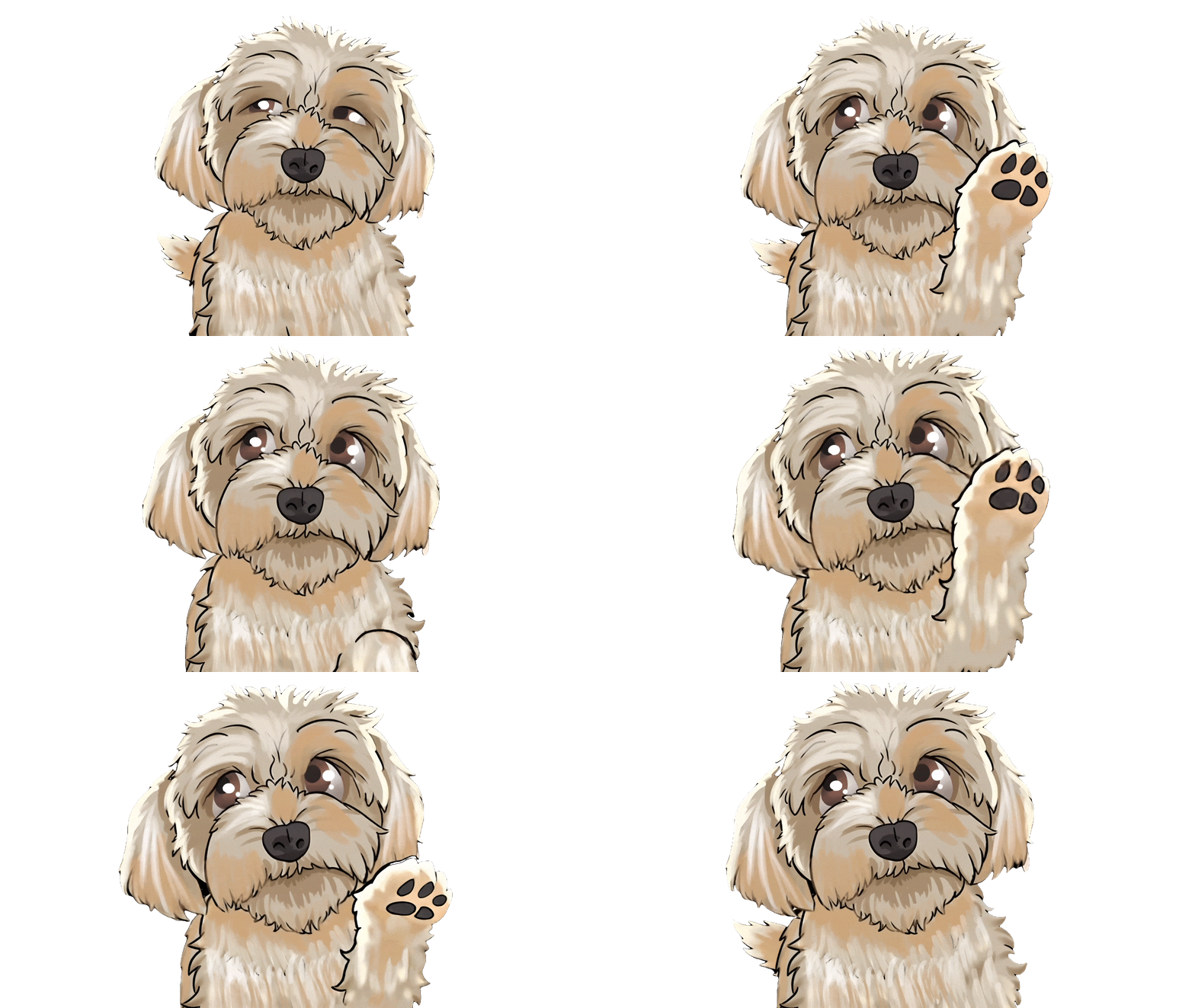
Runty Ralph: How I Got My Name tells my puppy’s true origin story. Ralph was born stillborn on a cold winter night in Arizona, and he survived. The book is about love, hope and resilience, and about the bond between a dog and the person who loves him.
I didn’t write it as a lesson. I wrote it because it happened. But children who read it often pick up on the same ideas: that a hard beginning doesn’t decide the whole story, that being small isn’t being less, and that love and care matter. Those ideas are what make it a useful way into harder conversations. You can read the full backstory in the true story behind Runty Ralph, or find the book on Amazon.
Any true animal story with a hard beginning can work the same way, and you’ll find more ideas in true animal stories for kids.
7 Steps For Talking To Your Child
1. Pick a calm moment
Choose a time when nobody is rushed or tired. Bedtime can work well because it’s quiet and close, but some children open up more during a car ride, a walk or while drawing. Avoid moments right after a hard day.
2. Read the story together first
Start with the book, not the conversation. Read it slowly, let your child look at the pictures, and don’t explain every page. A story gives you both a shared reference point.
3. Let your child lead
Ask open questions and then wait. Try:
- “What part stayed with you?”
- “How do you think the puppy felt at the start?”
- “What do you think helped him?”
Silence is fine. Children often answer a minute later, or the next day.
4. Use simple, honest words
Children can sense when they’re being protected from the truth, and vague answers can make things scarier. Keep your language short and true. For example:
- “Ralph had a very hard start, and he made it.”
- “Some babies and some puppies have a tough beginning. It’s not anyone’s fault.”
- “Being small at the start doesn’t mean being weak later.”
Match your detail to your child’s age. Younger children need a sentence or two. Older children may want more of the “why.”
5. Name the feelings
Give your child words for what they might feel: scared, sad, confused, proud, relieved, angry. You can say, “Sometimes when something was hard at the start, people feel a bit sad or mixed up about it. That’s okay.” Naming a feeling makes it easier to handle.
6. Point to the helpers and the hope
Hard stories feel safer when children see that someone cared. Ask, “Who helped Ralph?” and then, gently, “Who helps you?” Focus on love, care and the things that went right, not only the hard part. Hope is the part a child will carry to bed.
7. Connect to their life only if they’re ready
If your child makes a link themselves (“I was small too,” or “I was in the hospital”), follow it with warmth and curiosity. If they don’t, don’t push. You can leave the door open: “If you ever want to talk about how you started out, I’m always happy to.” The story will still be doing its work.
What to say: sample phrases
Here are phrases you can adapt to your own child and situation.
When your child asks “Was it hard for me too?” “Yes, the beginning had some hard parts, and I’m so glad you’re here. We got through it together.” Add true details at your child’s level.
When your child feels different or behind “Everyone starts somewhere different. Where you started doesn’t decide where you go.”
When your child feels scared about the past “That sounds scary to think about. I’m right here, and you’re safe now.”
When your child seems sad “It’s okay to feel sad about a hard thing. Feelings come and go, and I’ll stay with you.”
What to avoid
- Don’t force the conversation: A child who isn’t ready will shut down. Try again another day.
- Don’t promise what you can’t: Say “I’m here with you” instead of “nothing bad will ever happen.”
- Don’t over-explain: Too much detail can overwhelm a young child.
- Don’t make the story a test: Skip quizzes. You’re having a conversation, not checking comprehension.
- Don’t skip the book’s own pace: If the story brings up strong feelings, stop and comfort before continuing.
If your child is especially sensitive to stories about animals being sick or hurt, read the book yourself first and decide whether the timing is right.
When to ask for extra support
Books and conversations help many families, but they aren’t a substitute for professional care. If your child has ongoing worries, nightmares, changes in behavior, or seems stuck on a difficult memory, talk to your pediatrician, school counselor or a child therapist. They can offer support tailored to your child.
For everyday resilience-building, you can also read how to teach kids resilience.
Frequently Asked Questions
How do I explain a hard start in life to a young child?
Use short, honest sentences and focus on the fact that your child is safe and loved now. Skip the details they didn’t ask for, and let their questions set the pace. A picture book with a hopeful, true story can give you both a gentle place to begin.
What age is right to start these conversations?
There isn’t a single age. Even toddlers can absorb simple messages like “you’re loved” and “being small is okay.” As children grow, they can handle more detail. Let their questions guide you.
Why use an animal story instead of talking directly?
An animal story gives a child distance from big feelings. It’s easier to say how a puppy felt than to say how I felt. Many children approach their own experiences afterward, in their own time.
Is Runty Ralph: How I Got My Name based on a true story?
Yes. Runty Ralph is a real puppy who was born stillborn on a cold winter night in Arizona and survived. The book tells his true origin story, with love, hope and resilience at its center. You can find all three books in the series on the books page.